

Application of an RFID Smart Asset Inventory System in Hospital Equipment Management
YA-WEN CHUANG, Head nurse, NCKUH Douliu Branch Dept. of Nursing
National Cheng Kung University Hospital(NCKUH) Douliu Branch has adopted smart healthcare as its core development direction and actively promotes multiple smart healthcare applications. Among them, the “RFID Smart Asset Inventory System” has become one of the important achievements in recent years. By introducing RFID technology, a smart equipment inventory management system has been established. RFID electronic tags are attached to various assets and scanned with handheld scanners, enabling the asset inventory process to shift from traditional paper-based records to electronic management, speeding up daily inventory procedures and automating them.
Before the system was introduced, equipment management relied mainly on paper-based asset lists and manual item-by-item inventory checks. Taking the three acute wards in our hospital as an example, each unit manages approximately 600 pieces of equipment. Since equipment is distributed across multiple areas, such as nursing stations, and is frequently moved according to clinical care needs, the inventory process was time-consuming and required significant manpower.
Through RFID technology, electronic tags are attached to instruments and equipment. By scanning them with handheld scanners, the system can automatically compare the data with the database. This improves equipment management efficiency and inventory accuracy, while also offering advantages such as low maintenance costs and the ability to quickly identify multiple tags simultaneously. The system transforms the traditional, manual item-by-item verification into a smart asset management model. The RFID smart asset management system also brings positive benefits to clinical care by reducing the time required to locate equipment and improving equipment management and utilization efficiency.
By introducing RFID technology, NCKUH Douliu Branch has not only effectively improved the efficiency of medical equipment management but has also demonstrated the value of applying smart technology in healthcare management. In the future, the hospital will continue to expand the scope of application of the RFID system, gradually building a comprehensive smart hospital management model and promoting more efficient utilization of medical resources.
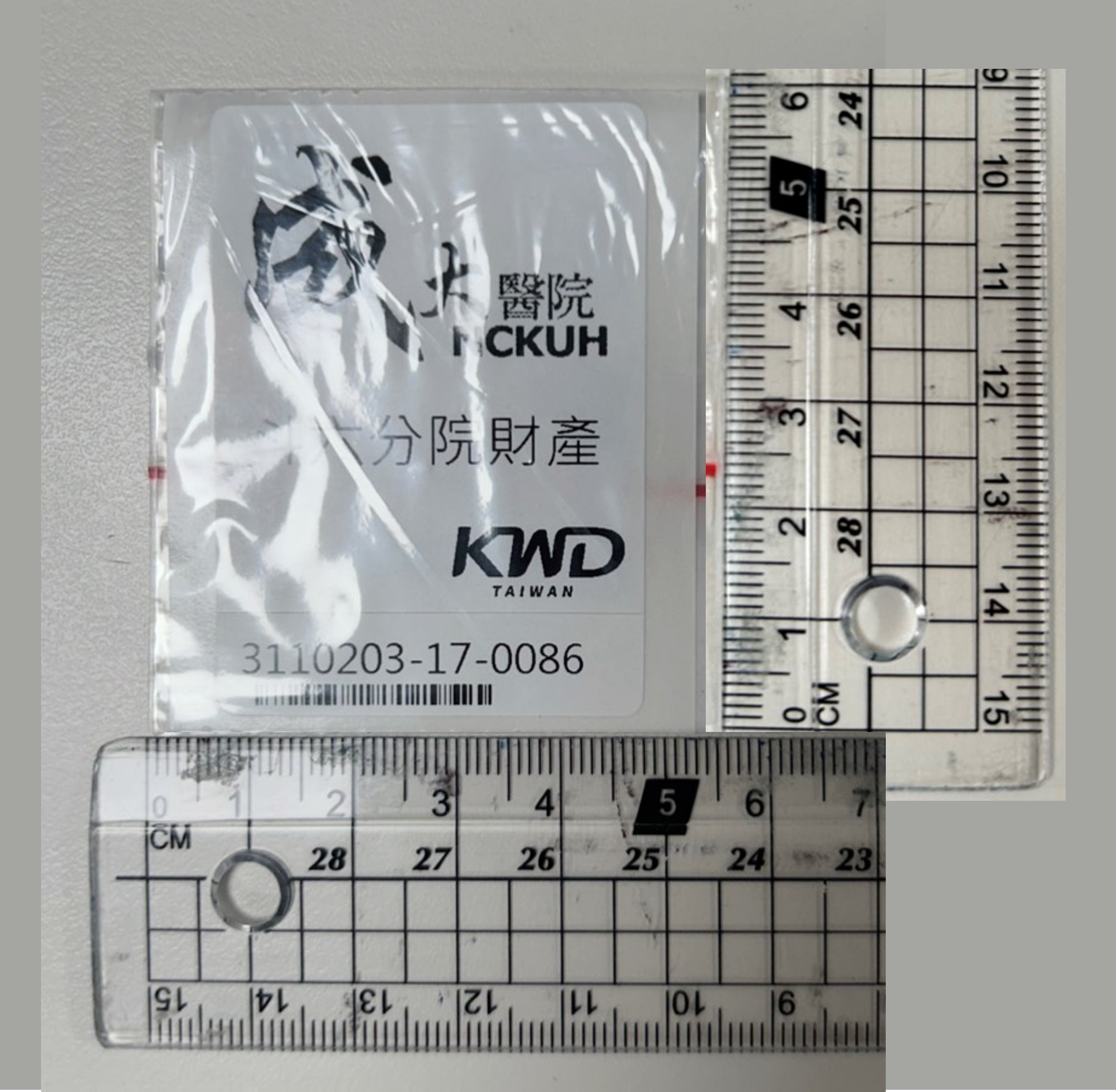
Figure 1. RFID tag
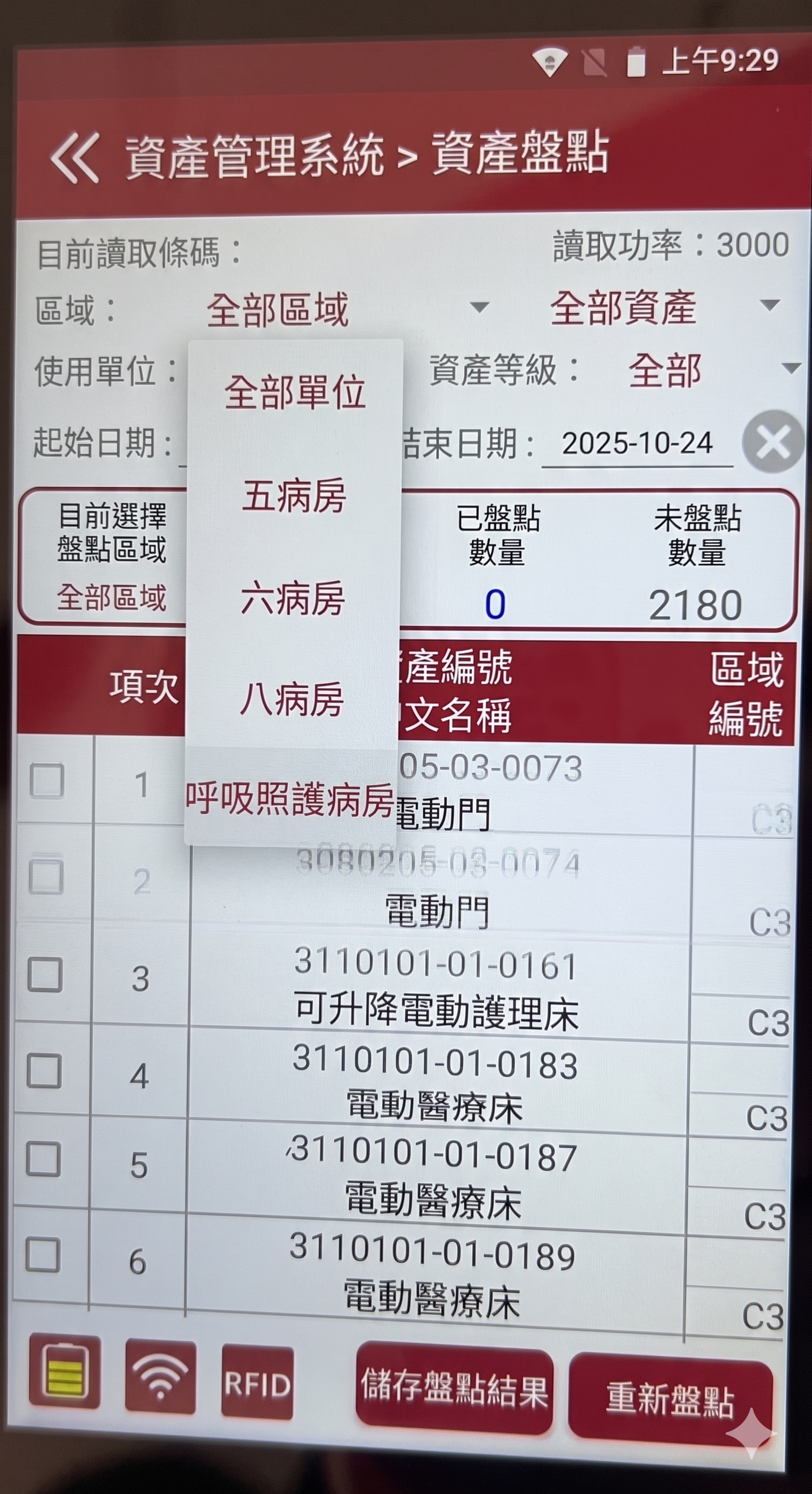
Figure 2. RFID Data Dashboard
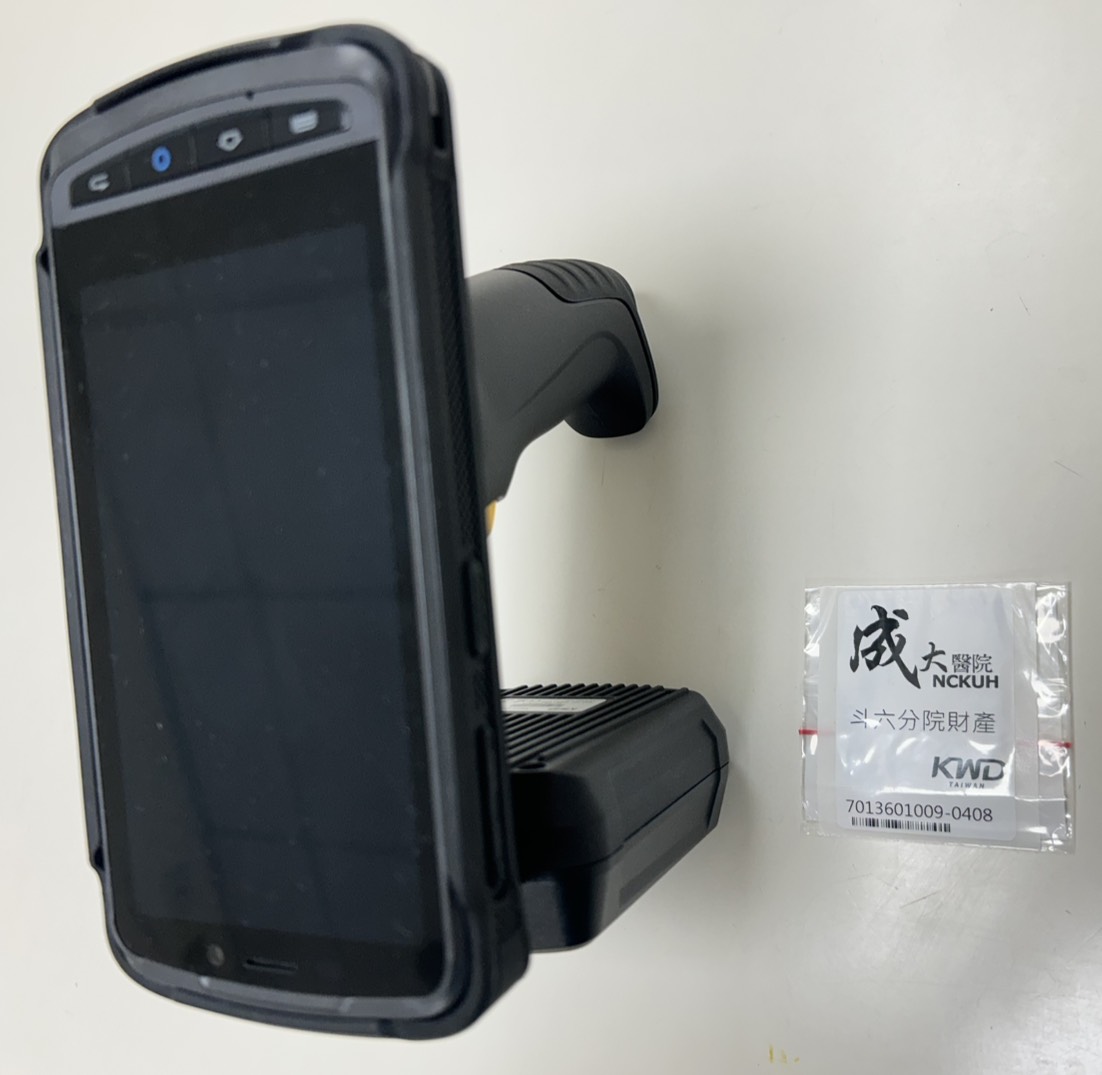
Figure 3. RFID Hardware